
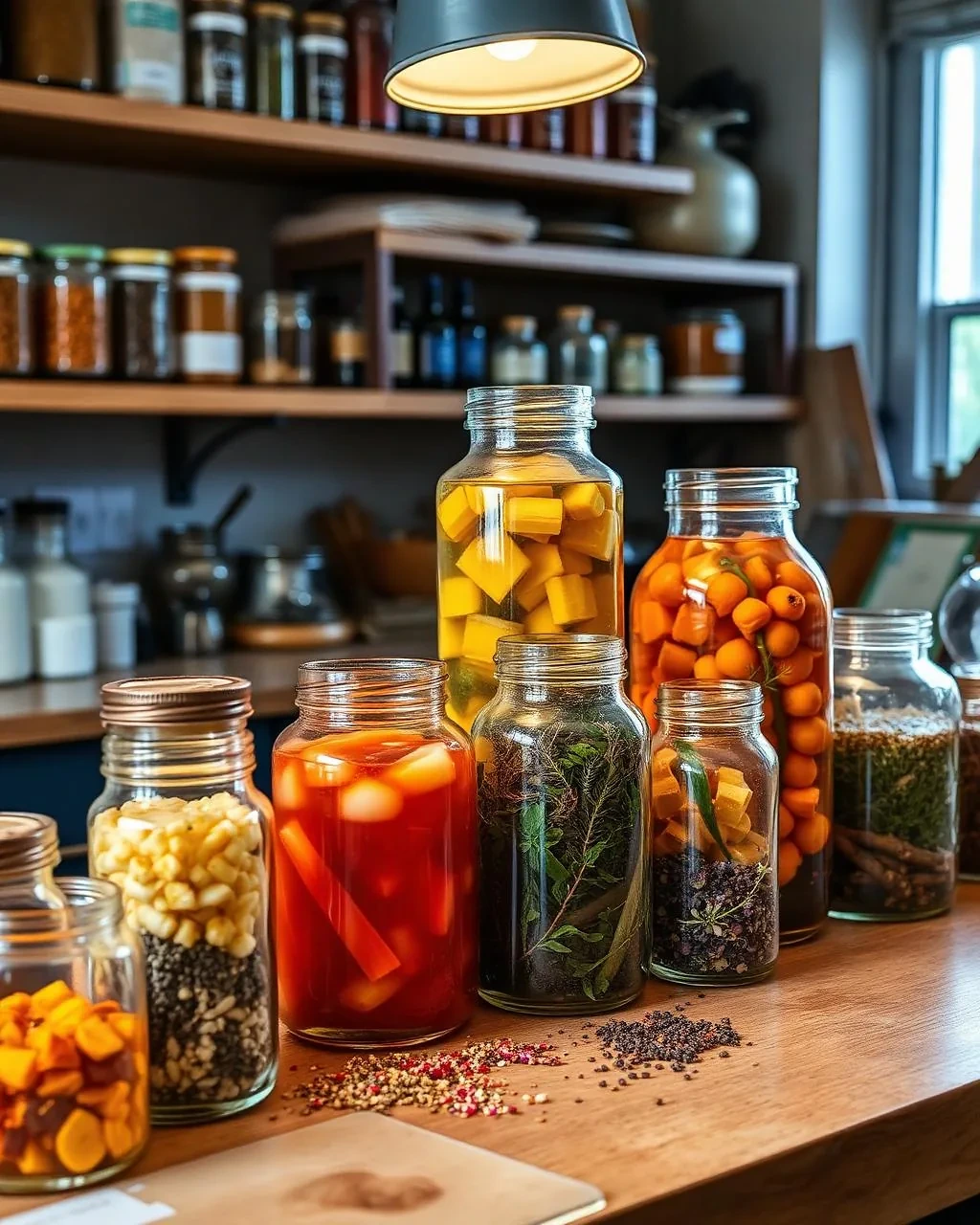
When people visit a science centre, museum or cultural space, food is often considered a supporting amenity. It answers a practical need between activities. But hospitality can also contribute to the reason people choose to spend time there. The distinction depends on whether the food experience belongs to the destination’s purpose or merely occupies part of its property.
The Curio Table’s current home at Curiouscity Science Center in Bengaluru provides a setting for this question. A discovery-led dining concept and a science-led destination share an interest in curiosity. That alignment does not make them the same business. It creates a possible conversation between the way people explore the destination and the way they engage at the table.
For a prospective host, the first question should be about the visitor. Who comes, why do they come, and how much time do they want to spend? Families, school groups, independent visitors and event audiences may have quite different needs. A hospitality concept that ignores those differences can be memorable in isolation yet poorly suited to the place around it.
The second question is operational fit. Arrival routes, accessibility, kitchen services, safety, deliveries and the boundary between public and private events all matter. So do opening patterns and the destination’s calendar. These are not details to resolve after a concept has been chosen; they help determine whether the concept belongs there in the first place.
A well-aligned partnership can offer more than shared traffic. Programming may connect the host’s interests with the hospitality brand’s capabilities. A workshop, demonstration or creative gathering could add another dimension to a visit. These possibilities require clear ownership and a realistic plan; collaboration is strongest when responsibilities are as well defined as the shared ambition.
The commercial conversation should be equally grounded. Existing visitor numbers are useful context, not a guarantee of restaurant demand. The proportion of people who dine, their spending choices and the balance between weekday and weekend use need to be understood. Both partners benefit from examining the quality of the opportunity rather than relying on the appeal of a large headline audience.
Sandhi’s approach is to consider the destination, the brand and the operating model together. The Curio Table’s potential settings include places where people already come to explore, learn and create. Those are areas for prospective partnerships, not announcements of future locations. Each opportunity needs its own evaluation.
For real-estate and development partners, the invitation is therefore specific: begin with the place you are trying to create and the people it should serve. A distinctive hospitality brand can add character, participation and another reason to spend time there. The strongest partnership is not simply a tenant filling a space. It is two clear points of view making the destination more coherent.
The right hospitality partner extends a destination’s purpose, rather than simply filling its floor plan.Back to stories