
A restaurant visit is often described as a transaction: arrive, order, eat, leave. Yet the places we remember rarely fit that sequence alone. We remember the shaded seat where a conversation lasted longer than expected, the welcome that made a solo visit comfortable, or the activity that introduced us to someone new. The meal matters. So does everything that allows life to happen around it.
For a hospitality operator, this changes the question. Instead of asking only how many people a space can serve, we can ask how many meaningful occasions it can accommodate. A weekday lunch, a quiet morning, a creative workshop and an evening gathering are different needs. A thoughtful destination can respond to several of them without becoming an unfocused collection of attractions.
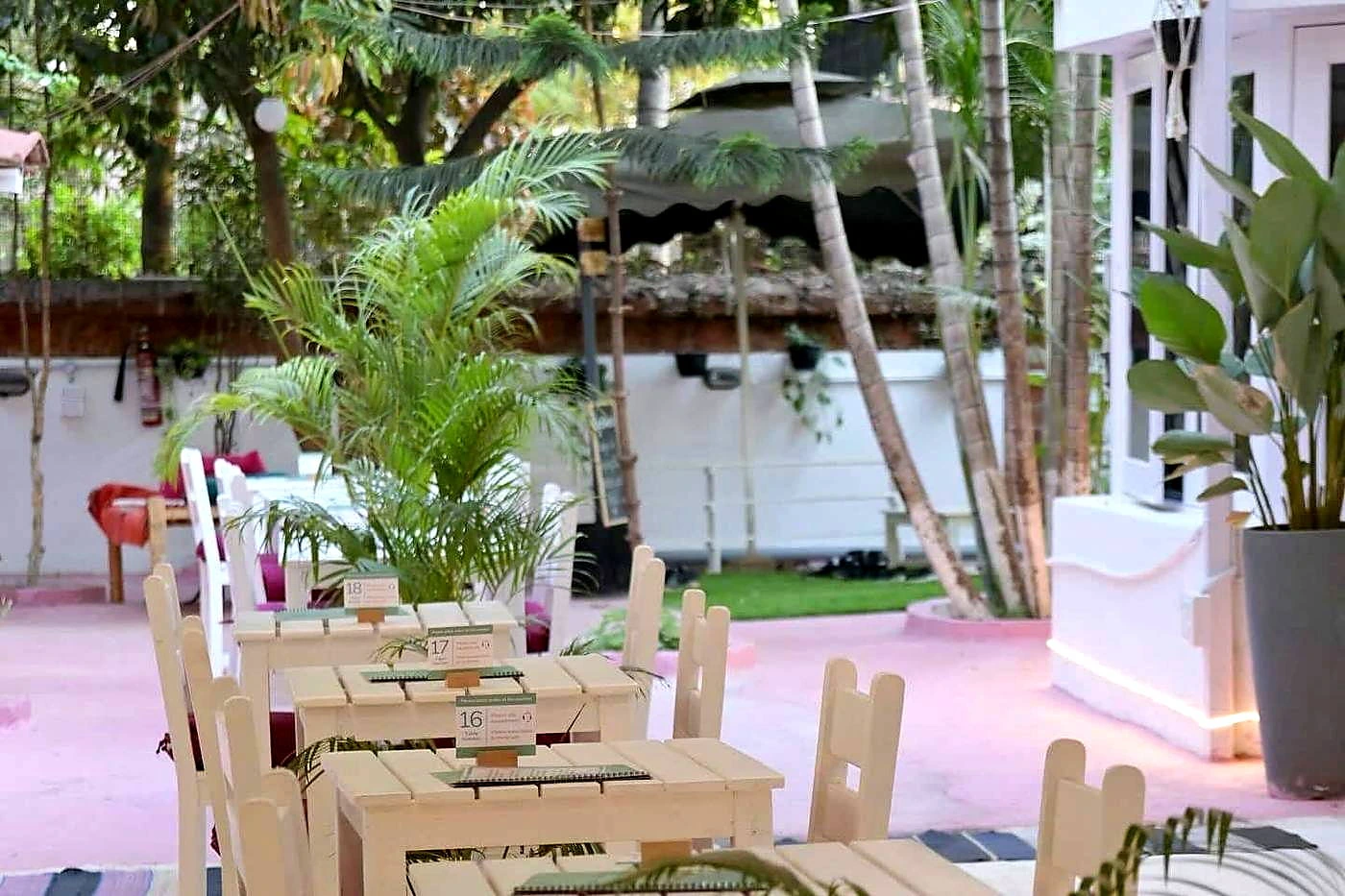
Namma Ashram explores this through an urban sanctuary in Whitefield, Bengaluru. Its vegetarian café, garden, wellness activities and cultural gatherings share a central thought: mindfulness and peace. The connection is not simply that these offerings occupy the same address. They create different ways to slow down, participate and spend time with others.
The distinction matters. Adding more activities does not automatically create community. Programming has to belong to the place, and the everyday experience must remain dependable. An engaging workshop cannot compensate for inconsistent food or an unwelcoming arrival. The café is the recurring anchor; the wider programme should deepen, rather than distract from, that relationship.
Physical design plays its part too. A garden is not just a photographic backdrop if people can comfortably use it. Shared spaces are not genuinely communal if every visit feels pressured or overly scripted. Shade, acoustics, seating, circulation and the relationship between quiet and active areas influence whether a person chooses to stay. These practical decisions are also decisions about belonging.
For property partners, a place with several reasons to visit may offer a different relationship with its surrounding neighbourhood than a single-occasion outlet. That possibility should be evaluated carefully, not assumed. Demand changes across the day; different activities require different people and operating disciplines. The interesting opportunity is to make those occasions complementary while protecting the experience of each.
Growth brings a further challenge: what should travel to the next location? The answer cannot be every decorative detail or every event on the calendar. Service habits, food consistency, thoughtful programming and a clear sense of purpose are more important foundations. Local character can then emerge around a reliable operating system rather than in place of one.
At Sandhi, this is the distinction between opening another outlet and developing a hospitality brand. A brand offers a recognisable point of view; a place gives that point of view a human setting. The ambition is to hold both together, so that returning feels familiar without becoming repetitive.
A place earns a repeat visit when its everyday experience is as thoughtful as its special occasions.Back to stories